Adventure · aquismon · huasteca zone
Sótano de las Golondrinas (Área Natural Protegida)
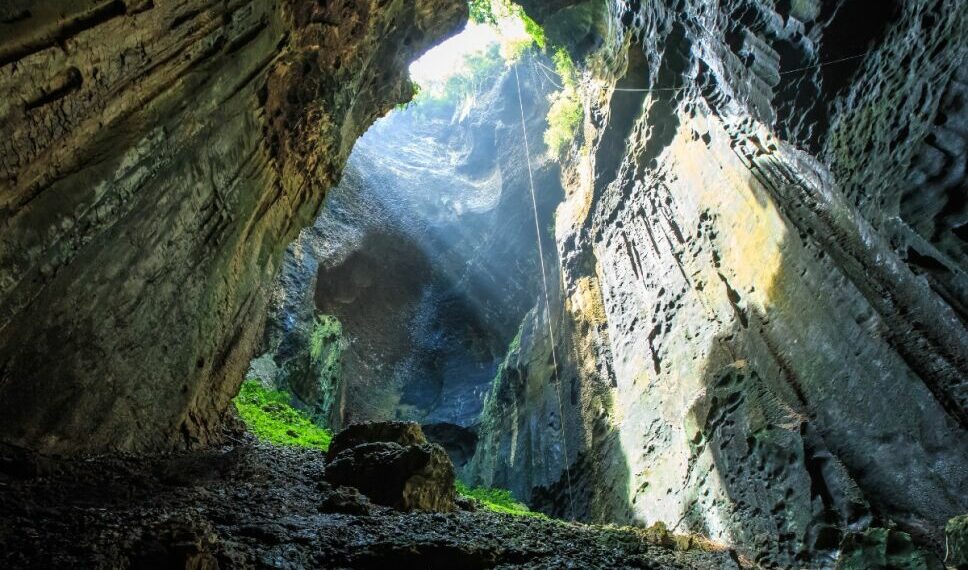
A hole in the earth 512 meters deep and 60 wide, wide enough to swallow a cathedral — this is the Sótano de las Golondrinas, one of the world's great open-air pits and the Huasteca's most humbling sight. Each dawn, thousands of swifts and green parakeets spiral up in a living tornado of birds, a vortex that takes nearly an hour to empty the cave; at dusk they pour back in like reversed rain. Cavers rappel the full drop (a 10+ second free hang), but most visitors come for the birds and the vertigo of standing at the rim. It is an early start and a rough road — and still one of those places that recalibrates what "big" means.
- Entry
- $5.3 USD (≈ MX$100)
- Best season
- March to October (espectáculo de aves)
- Arrive by car
- Yes
Weather at Sótano de las Golondrinas (Área Natural Protegida)
Forecast via Open-Meteo
20°CPartly cloudy · wind 3 km/h
Thu
27° / 19°
💧 54%
Fri
25° / 19°
💧 93%
Sat
21° / 18°
💧 85%
Sun
24° / 18°
💧 84%
Mon
19° / 16°
💧 82%
Tue
22° / 16°
💧 31%
Wed
23° / 18°
💧 55%
Visitor info
Official status · updated Oct 29, 2026
- Hours
- 05:00–18:00
- Requirements
- Non-slip shoes required
- Hiking
- Caving
- Nature watching
Location & contact
79766 S.L.P.
Open in Google Maps ↗Getting there without a car
From Ciudad Valles: colectivo or bus toward Aquismón, then a 20-minute rural taxi from the center to the Golondrinas entrance (last stretch is dirt road; 4x4 not required but go slow). The viewpoint opens at 5 am — you must arrive by ~6:30 am for the bird exodus, the single unmissable show. Arrange your return taxi for a set hour; signal is weak up there.
Full transport guide on huastecapotosina.org ↗What to bring
Layers — the rim is chilly at dawn even when Valles is warm — a wind layer, thermos of coffee, binoculars if you have them, and cash for the community entry fee and guides. Real hiking shoes: the rim path is rock and mud. Non-slip shoes are required for the cave-entrance viewpoint.
Rainy season & safety
Birds fly later and lower in rain, and the trail to the inner viewpoint closes when wet. The pit itself doesn't flood — the show is just quieter. Dry season (Nov–Apr) gives the cleanest dawn exodus.
When to go, month by month on huastecapotosina.org ↗Good to know
- Rappelling the full 512 m requires booking with certified cave guides — this is a serious vertical descent, not a tourist add-on.
- Combine with the Huahuas pit (smaller, closer, often birdier) for a same-day doubleheader.
- Photographers: a long lens beats a drone — flying one over the void spooks the birds and is forbidden.
Your take
Sign in to favorite, vote and review.
Plan your visit
Hotels, tours and verified operators for Sótano de las Golondrinas (Área Natural Protegida) live on our companion directory.